Pipeline · Episode 3 · Oct 16, 2026 · 17 min
How to Build a B2B Strategic Narrative That Buyers Remember
John Rougeux, Founder of Flag & Frontier, says a strategic narrative is built through structured debate among the executive team. Handing it to a marketing department or an outsourced PR or comms group misses the point. On Pipeline, he explains why a different point of view takes time to land, and why you'll tire of it before your buyers do.
Key takeaways
- Take strategic narrative work to your executive team as a structured debate. John Rougeux says a strong POV never makes its way to the market until the executive team agrees on it.
- Work through the questions John Rougeux poses: what are we trying to achieve, how are we trying to differentiate ourselves, what are we trying to do that no one else is, and how do we see things differently than competitors?
- Tell the same story beyond your website: to the people you're trying to hire, to investors, to partners and, for a public company, to analysts.
- Keep talking about the problem as well as your solution, and expect to get tired of your point of view far sooner than your buyers do.
- Before rewriting anything, ask what's preventing the business from going further or faster. John Rougeux says the narrative isn't always the thing that needs fixing first.
Sponsored by Podcast 2 Pipeline
Prefer audio? Listen here
Chapters6 chapters
Clips from this episode
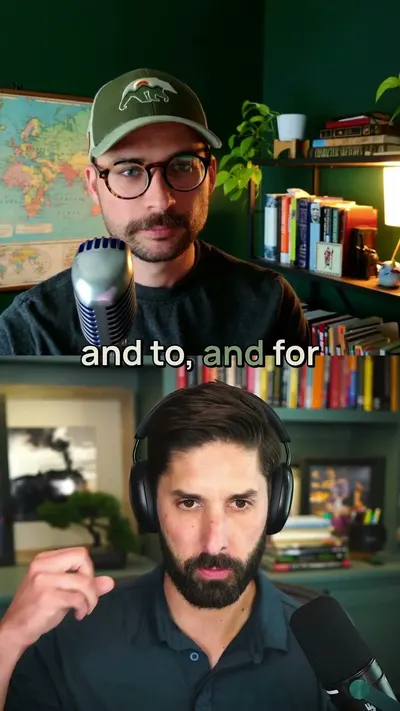
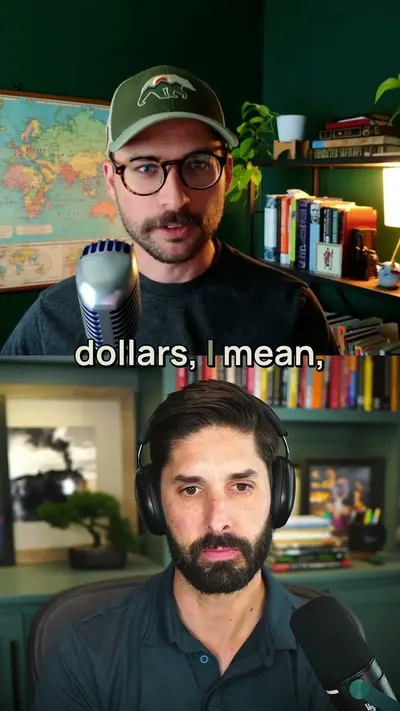
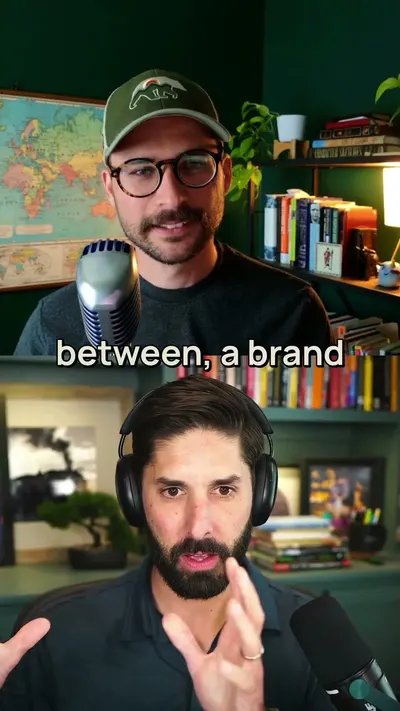
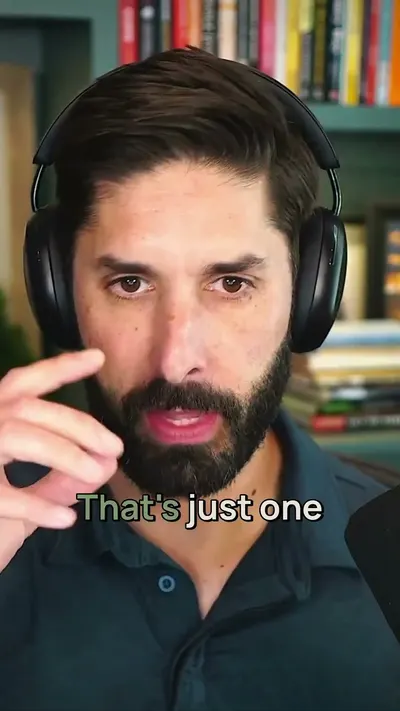
The quarter is half over, and your sales deck, your careers page and your last investor update each describe the company a little differently. Pipeline is flat, and the next idea on the table is new copy. I talked with John Rougeux on this episode of Pipeline. He's been a VP of marketing at a lot of B2B SaaS companies. His fix starts above the marketing team: the executive team argues out a point of view and agrees on it. Then everyone keeps saying it for longer than feels comfortable.
Why does B2B messaging that checks every box still get ignored?
John Rougeux, Founder of Flag & Frontier, compares it to hotel art. A brand can be doing all of the right things from a technical perspective and still be completely forgettable. In his telling, that happens when the brand hasn't figured out what makes it different, what its perspective is and how it sees things differently from the world.
On Pipeline, John walked Joseph Lewin through the analogy. A brand that skips the strategic narrative is like a painter going right to the paint on the palette. The result is probably something you've seen before.
"If you ever go to a hotel, you see the artwork on the wall, and it's completely... It's fine. It doesn't offend anybody, but it's completely unremarkable."
John Rougeux, Founder at Flag & Frontier
The alternative John describes is a point of view sharp enough to cause a reaction. He says it could be a bad reaction, but it could be a great one. Messaging grounded in that point of view is a big part of how buyers respond and how a brand avoids getting mixed in with the "sea of sameness."
Joseph added an example from outside B2B. A photographer friend of his prints his nature photos on wood and sells them for thousands of dollars in the places fine paintings are sold, while a lot of people sell $5 prints at a booth. John's read was that the photographer is adding perspective and his own personality. John also said the analogy breaks down a little, because art buyers may be paying for an emotional response. The differentiation still carries over to B2B.
Who should build a company's strategic narrative?
John Rougeux, Founder of Flag & Frontier, says the executive team builds the strategic narrative, through structured debate. In his experience, work done inside a marketing department or outsourced to a PR or comms group misses the point. A strong point of view never reaches the market until the executive team agrees on it.
"A strong POV never makes its way, to the market until the executive team agrees on it."
John Rougeux, Founder at Flag & Frontier
Earlier in the conversation, John named the questions a brand works through when it takes the time to sit down as a team:
- What are we trying to achieve?
- How are we trying to differentiate ourselves in the market?
- What are we trying to do that no one else is trying to do?
- How do we see things differently that competitors don't?
Joseph Lewin has worked in organizations where that clarity was missing. He said it leaves marketing and sales siloed, and it means selling something the product can't quite deliver on.
What to Try on Monday
- Ask what's preventing your business from going further or faster. John Rougeux says the strategic narrative might be the answer, or it might be something else.
- If it is the narrative, put it in front of the executive team as a structured debate instead of handing it to marketing or an outside PR or comms group.
- Keep going until the executive team agrees on the answers.
- Once the point of view is agreed, write down everywhere it has to show up: the website, hiring, investors, partners, and analysts if you're public.
- Plan to keep talking about the problem, not just your solution, long after the message feels old to you.
Who besides buyers does a strategic narrative have to reach?
John Rougeux, Founder of Flag & Frontier, says a website is one touch point among many. The same story has to reach the people a company is trying to hire, investors, partners and, for a public company, analysts. Product has to deliver on the promises the story makes. For John, that's why a strategic narrative is really there to unify the team.
John used Picasso to make the point. Even people who never studied fine art can recognize a Picasso, because the work is consistent across a whole collection. Brands have the same problem. A differentiated message on the website isn't sufficient on its own, since the reason a story exists is to change the way somebody thinks and believes about your brand and your products.
"We need them to understand the story behind our business, why it's worth their time and the risk of their career to join us."
John Rougeux, Founder at Flag & Frontier
That reach is also why John doesn't think the narrative can come from one writer.
"you can have a copywriter create something great in, in a room on their own, but... those are all executed by people across your organization."
John Rougeux, Founder at Flag & Frontier
In John's words, the narrative unifies the team "around a clear vision about where the business is headed and what it's trying to achieve."
How long does a new strategic narrative take to show up in pipeline?
John Rougeux, Founder of Flag & Frontier, gave no timeline, and he was direct that KPIs won't all go up the moment a narrative reaches the market. A different point of view takes time to land and for people to process. The work after launch is consistency, talking about the problem as well as the solution, and patience with the market.
"You will get tired of talking about your point of view far sooner than your buyers do."
John Rougeux, Founder at Flag & Frontier
Joseph Lewin connected this to SaaS teams that decide they need to grow a set amount over the next three months. He said a messaging change doesn't work on that schedule. What it builds instead is a foundation that isn't a flash in the pan campaign. It runs through hiring, sales conversations, marketing and delivery. When delivery keeps the promise the message made, Joseph said, customers are happier, way more likely to stay longer and more likely to refer people.
"It's not, it's not a silver bullet, but it's something that when done right will turn the knob up across the business persistently over time"
John Rougeux, Founder at Flag & Frontier
If you take this to your executive team, watch for the first time someone wants to swap the message because it feels stale. John's point is that you'll tire of it far sooner than your buyers will. A quarter in, check whether sales calls, marketing and delivery are still telling the same story.
Frequently asked questions
What is a strategic narrative in B2B?
John Rougeux, Founder of Flag & Frontier, describes a strategic narrative as the work of figuring out what makes a brand different, what its perspective is and how it sees things differently from the world. The story exists to change the way people think and believe about the brand and its products. Beyond differentiation, John says it's really there to unify the team around a clear vision of where the business is headed and what it's trying to achieve.
Should the marketing team own the strategic narrative?
John Rougeux says no. In his experience, when the work stays within a marketing department or is outsourced to a PR or comms group, the company is missing the point. A strong point of view doesn't reach the market until the executive team agrees on it. He adds that a copywriter can create something great alone in a room, but the story is executed by people across the whole organization.
Will a new strategic narrative increase pipeline right away?
John Rougeux says it won't. A different point of view takes time to land, and buyers need time and energy to consider it. He calls it not a silver bullet, but something that, done right, turns the knob up across the business persistently over time. Joseph Lewin added that expecting growth from a messaging change within three months sets an unrealistic expectation.
How do I know if the narrative is what's holding my company back?
John Rougeux says there's no universal answer. His advice is to be curious and start asking questions about what's preventing the business from going further or going faster. The strategic narrative might be the problem, or it might be something else, and it isn't always the thing that needs to be fixed first. Start investigating before you start rewriting.
This article is based on Episode 3 of Pipeline featuring John Rougeux, Founder at Flag & Frontier.
Show notes & linksGuest links, resources and the full episode description
A strong point of view never reaches the market until the executive team agrees on it.
On this episode of Pipeline, Joseph Lewin talks with John Rougeux, Founder at Flag & Frontier, about building a strategic narrative and what happens after the work is done. John compares the forgettable brand to the artwork on a hotel wall: it doesn't offend anybody, and it's completely unremarkable. His answer for what the work looks like in practice is structured debate among the executive team, since work done inside a marketing department or outsourced to a PR or comms group misses the point. He's also honest about results. A different point of view takes time for buyers to process, and your team will get tired of talking about it far sooner than buyers do. Pipeline is sponsored by Podcast 2 Pipeline.
What you can use by Monday:
Put the strategic narrative to your executive team as a structured debate instead of handing it to marketing or a PR group.
Have the team answer what you're trying to do that no one else is trying to do, and how you see things differently than competitors.
Keep talking about the problem, and not only your solution, well after your own team is bored of the message.
Before you start, ask what's preventing the business from going further or faster, because the narrative may not be the first thing to fix.
Chapters:
Why messaging drives pipeline
The painter analogy and hotel artwork
A fine art photographer and positioning
One story across the whole organization
Structured debate and patience with the market
What to do on Monday: be curious
Pipeline is short conversations with GTM peers who are actually filling pipeline right now, so you leave with something you can use by Monday. New episodes weekly on Apple Podcasts, Spotify, and wherever you listen. Produced by Podcast 2 Pipeline.
Tags:
strategic narrative, B2B positioning, differentiated messaging, point of view, B2B messaging, executive team, brand consistency, B2B marketing, B2B SaaS, pipeline generation